Carbon Molecular Sieve in Petroleum & Petrochemical Industry The Core Material for Safe Production & Resource Recycling

Safe production and waste resource recycling are core demands of the petroleum and petrochemical sector. Oxygen in air triggers oil oxidation, spontaneous combustion, pipeline corrosion and catalyst deactivation across extraction, refining and chemical processing. High-purity nitrogen acts as a reliable inert barrier to eliminate these risks.


On-site PSA nitrogen systems have become mainstream for petrochemical plants, and Carbon Molecular Sieve (CMS) is the core adsorbent enabling on-demand nitrogen output. This article focuses on the unique application value of CMS in oil exploitation, refining safety and petrochemical gas recovery, as well as its industry-specific advantages.


1.How CMS Adapts to Petrochemical Nitrogen Production Needs

  The adjustable nitrogen purity output of CMS PSA units can meet differentiated petrochemical standards, ranging from conventional purity to ultra-high purity up to 99.999% for high-risk refining links.


Compared with purchased liquid nitrogen, on-site CMS nitrogen production solves prominent industry pain points:

  • Cut massive liquid nitrogen transportation and repeated procurement costs for large oilfield and refinery consumption
  • Achieve 24-hour stable nitrogen supply to match continuous refining production lines
  • Flexible flow adjustment to cope with variable nitrogen demand in oil injection, purging and sealing processes
  • Eliminate safety risks brought by liquid nitrogen storage and tanker transportation


2.Core Application Scenarios of CMS PSA Nitrogen in Petroleum & Petrochemical Industry


2.1 Nitrogen Injection for Oilfield Production Enhancement

  High-purity nitrogen produced by CMS equipment is injected into oil reservoirs to supplement formation pressure and displace residual crude oil, significantly raising the recovery rate of low-permeability and aging oilfields. It has replaced liquid nitrogen delivery as a cost-efficient conventional oil stimulation process.


2.2 Inert Isolation Safety Protection for Refining Units

  Cracking, hydrogenation and catalytic reforming involve explosive, oxidizable materials. CMS nitrogen is used for tank nitrogen sealing, pipeline purging, equipment gas replacement and reactor shielding. It isolates air to prevent explosions, slow oil oxidation and extend catalyst service life, stabilizing long-term refining operation.


2.3 Petrochemical By-Product Gas Purification & Reuse

  CMS separates impurities such as methane and carbon dioxide from refinery crude hydrogen, syngas and oilfield associated gas to extract high-purity hydrogen and methane for cyclic production. This cuts waste gas emissions, realizes resource recycling and lowers raw material procurement costs.


2.4 Oil & Gas Storage and Transportation Safety & Energy Conservation

  Nitrogen sealing for refined oil tanks suppresses oil volatilization loss and avoids quality degradation caused by moisture intrusion. Nitrogen purging before equipment maintenance clears residual oil and gas inside facilities, eliminating construction safety hazards.


3.Unique Advantages of CMS PSA Nitrogen for Petrochemical Scenarios


3.1 Energy Saving & Cost Reduction

  Room-temperature pressure swing operation consumes far less energy than cryogenic distillation and chemical absorption nitrogen making. Equipment structure is simple, with low daily operation and maintenance expenses suitable for large-volume long-cycle industrial use.


3.2 Outstanding Working Condition Adaptability

  CMS features acid resistance, alkali resistance and high temperature resistance, maintaining stable separation performance under complex high-pressure, multi-impurity petrochemical environments.


3.3 Green & Low-Carbon Circular Operation

  No chemical additives or secondary pollution are generated during gas separation. CMS can be regenerated and reused through pressure swing cycles with long service life, matching the industry’s low-carbon transformation goals.


4.Why CMS Quality Directly Impacts Petrochemical Operation Safety & Cost

  Petrochemical production has strict standards for nitrogen purity and continuous supply, which entirely depend on CMS performance.


4.1 High-quality CMS delivers industry-specific superior performance:

  • High nitrogen yield to satisfy large nitrogen consumption of oilfields and refineries
  • Fast adsorption kinetics to support uninterrupted round-the-clock production
  • Stable high nitrogen purity to meet strict safety inert protection requirements
  • Strong mechanical strength and low dust generation, avoiding pipeline and valve blockage under complex petrochemical air sources
  • Low air consumption to reduce long-term power expenditure
  • Long service life to minimize production shutdown losses from frequent material replacement


4.2 Low-quality CMS will bring severe industrial losses:

  • Substandard nitrogen purity fails safety protection standards and triggers production risks
  • Higher air compression energy consumption increases plant electricity costs
  • Short service cycle leads to frequent shutdown for CMS replacement
  • Excessive dust blocks pipelines and valves, raising equipment maintenance frequency and costs


5.CMS Selection Standards Tailored for Petroleum & Petrochemical Industry


When selecting CMS for petrochemical PSA nitrogen generators, enterprises need to focus on industry-specific indicators:

  • Nitrogen purity standard required by different working sections (oil injection, refining inert protection, gas purification)
  • Large continuous nitrogen flow demand of full-scale production lines
  • CMS adsorption capacity matching long-cycle uninterrupted operation
  • Mechanical strength and anti-dust performance adapting to complex on-site air sources
  • Service life under long-term pressure swing circulation
  • Compatibility with large industrial PSA nitrogen making equipment


  Professional CMS suppliers can customize adsorbent materials according to oilfield, refining and chemical working conditions, helping enterprises balance nitrogen production efficiency and long-term comprehensive operating costs.


6.Conclusion

  Nitrogen inert protection and waste gas recycling are indispensable supporting technologies for the whole petroleum and petrochemical industrial chain. As the core adsorbent of PSA nitrogen generators, CMS enables low-cost, stable and continuous on-site high-purity nitrogen supply tailored to industrial heavy-load production.


  Premium CMS not only guarantees nitrogen purity to satisfy stringent petrochemical safety specifications, but also reduces energy consumption, maintenance frequency and overall production costs, improving the stability of nitrogen supply systems for oil and chemical enterprises.


  Whether for reservoir nitrogen injection, refining equipment explosion-proof isolation, by-product gas recycling or oil storage anti-volatilization protection, selecting matched high-performance CMS is a key investment for enterprises to achieve safe production, energy conservation and low-carbon upgrading.
Carbon Molecular Sieve in Semiconductor Industry Core Material for Ultra-High Purity Nitrogen Supply

Electronic and semiconductor manufacturing imposes extremely strict standards on environmental cleanliness and oxygen-free & moisture-free atmosphere. Trace oxygen, water vapor and impurities will trigger wafer oxidation, circuit defects and chip failure, severely reducing product yield. Massive, uninterrupted ultra-high-purity nitrogen is required as shielding gas, purging gas and carrier gas throughout all production processes.


On-site PSA nitrogen generation has become the mainstream gas supply solution for wafer fabs and packaging plants. Carbon Molecular Sieve (CMS) serves as the core adsorbent for accurate nitrogen-oxygen separation. Paired with post purification units, it supports stable supply of 6N ultra-high-purity nitrogen for advanced semiconductors. This article elaborates on the unique functions, application scenarios, exclusive industry advantages and selection criteria of CMS tailored to semiconductor manufacturing demands.


1.Why Ultra-High-Purity Nitrogen Is Mandatory for Semiconductor Production


Trace oxygen and moisture in air cause irreversible damage to precision semiconductor processes:

  • Oxidation of silicon wafers, copper and aluminum circuits, leading to electric leakage and short circuits
  • Premature exposure of photoresist, distorted line width and rough line edge roughness during lithography
  • Residual fluorine contaminants inside plasma etching chambers, causing wafer surface defects
  • Corrosion of ion beam equipment and ozone generates metal oxide particles that cause wafer surface scratches
  • Oxidation, cold solder joints and poor reliability of electronic components during SMT soldering


  Nitrogen is chemically inert and dry, isolating air to form a contamination-free production environment. Advanced semiconductor processes demand nitrogen purity of above 99.999% (5N and higher). Ordinary gas separation materials cannot maintain such high purity stably, high-grade special CMS is the optimal adsorbent to meet such strict purity requirements for on-site PSA nitrogen systems.


2.Core Application Scenarios of CMS PSA Nitrogen in Semiconductor Industrial Chain


2.1 Front-End Wafer Fabrication

  • Lithography (EUV/DUV): Purge wafer stages and vacuum load locks to block oxygen and prevent premature photoresist exposure, guaranteeing nanoscale line width accuracy
  • Dry Etching & Plasma Ashing: Chamber replacement and residual fluoride purging to avoid silicon wafer sidewall oxidation
  • CVD & PVD Thin-Film Deposition: Carrier gas and furnace shielding gas to isolate air and prevent oxidation of copper/aluminum metal layers under high temperature
  • Ion Implantation: Cool ion beam pipelines, suppress ozone formation and protect wafers and chamber components from corrosion
  • Rapid Thermal Annealing: Dry nitrogen atmosphere to eliminate silicon substrate oxidation and stabilize doping uniformity


2.2 Packaging & Testing

  • Wafer dicing, die attach and molding under nitrogen inert atmosphere to avoid bare chip oxidation
  • Nitrogen shielding for reflow and wave soldering to reduce solder joint oxidation, voids and cold soldering
  • Nitrogen-filled aging test chambers to isolate moisture and oxygen for stable electrical performance testing


2.3 Auxiliary Plant Scenarios

  • Pipeline & equipment purging before maintenance to eliminate residual flammable specialty gas hazards
  • Nitrogen blanketing for chemical and photoresist storage tanks to prevent oxidative deterioration
  • Dry purging for cleanrooms and process chambers to maintain low dew point and dust-free standards


3.Unique Advantages of CMS PSA Nitrogen for Semiconductor Scenarios


3.1 Stable ultra-high purity output

  Semiconductor-grade CMS with sub-angstrom precise pore control delivers outstanding oxygen separation selectivity. Nitrogen purity fluctuation remains minimal during long-term operation, consistently meeting 5N/6N standards for advanced processes and lowering wafer scrap rates.


3.2 Long-cycle stable performance for non-stop production

  The material tolerates trace acidic and alkaline vapors and withstands high temperature within design limits, maintaining stable adsorption-desorption cycles even with trace corrosive impurities in compressed air. Its service life reaches 8–10 years under well-filtered clean compressed air supply, minimizing production shutdown losses caused by frequent material replacement.


3.3 Low dust generation to fit cleanroom standards

  High mechanical strength and low-dust formulation avoid fine carbon powder release during adsorption, preventing particle contamination of wafers and precision equipment to meet Class 100/1000 (ISO 5/ISO 6) cleanroom specifications.


3.4 Energy-saving & low-carbon operation

  Room-temperature pressure swing adsorption consumes far less energy than cryogenic separation. Low power consumption per cubic meter of nitrogen reduces electricity expenditure for large wafer fabs and supports low-carbon electronic manufacturing.


4.How CMS Quality Impacts Semiconductor Yield & Operation Costs

  Semiconductor processes have an extremely low tolerance for gas impurities. CMS performance directly determines chip yield and equipment maintenance costs:


4.1 Superior Performance of Semiconductor-Grade High-Quality CMS

  • Ultra-high oxygen-nitrogen separation efficiency with low air consumption to cut air compressor power costs
  • Sustained 5N~6N ultra-high nitrogen purity without oxygen rebound over long operation cycles
  • High particle compressive strength and anti-pulverization to avoid dust contamination in clean processes
  • Resistance to oil stains and trace acid/alkali impurities to adapt to factory pre-filtered air sources
  • Fast regeneration speed enables uninterrupted nitrogen supply via tower switching to match large-volume continuous production


4.2 Production Losses Caused by Inferior CMS

  • Unqualified nitrogen purity with excessive oxygen leads to mass wafer oxidation and plummeting yield
  • Elevated air consumption forces compressors to run at full load, increasing long-term electricity bills
  • Pulverization generates carbon dust that blocks pipelines and pollutes wafers, raising equipment cleaning frequency
  • Fast performance decay requires frequent production shutdowns for CMS replacement, disrupting 24/7 chip manufacturing


5.CMS Selection Standards Tailored for Electronics & Semiconductor Industry


Wafer fabs and packaging plants shall focus on industry-specific indicators during CMS procurement:

  • Nitrogen purity standard required by different processes (5N for packaging / 6N for advanced lithography)
  • 24-hour continuous large nitrogen flow matching total factory gas demand
  • Anti-dust and high mechanical strength to meet cleanroom anti-contamination requirements
  • Service life and purity stability under long cyclic pressure swing operation
  • Low ash and low heavy metal leaching to comply with semiconductor dust-free and heavy-metal-free specifications
  • Compatibility with large-flow industrial PSA nitrogen generators


  Professional CMS suppliers can customize adsorbents for logic chips, memory chips, advanced packaging and panel manufacturing, balancing nitrogen production efficiency, purity and long-term comprehensive operating costs.


6.Conclusion

  Ultra-high-purity nitrogen serves as the fundamental process gas covering wafer fabrication, packaging and testing in the semiconductor industry. As the core functional material of on-site PSA nitrogen generators, CMS enables low-cost, stable and continuous supply of ultra-high-purity nitrogen.


  Premium semiconductor-specific CMS not only steadily delivers 5N~6N nitrogen to eliminate process defects induced by oxygen and moisture and boost chip yield, but also features low energy consumption, low dust and long service life to reduce overall factory expenditure on gas supply and equipment maintenance.


  Whether for advanced lithography, thin-film deposition and ion implantation in front-end processes, or SMT soldering and chip packaging in back-end stages, selecting high-performance CMS matched to working conditions is a critical investment for electronic and semiconductor enterprises to guarantee product quality and realize stable mass production.

Common Pitfalls in CMS Procurement & Mitigation Strategies A Selection Guide for PSA Nitrogen Generation Adsorbents

Carbon Molecular Sieve serves as the core adsorbent inside PSA nitrogen generators, directly determining nitrogen output stability, energy consumption and long-term operational safety of on-site nitrogen generation systems.

Many purchasers and system engineers rush into purchasing decisions relying merely on quotations or basic laboratory data without comprehensive evaluation. Improper CMS selection may trigger reduced nitrogen purity, frequent equipment shutdowns, rising maintenance costs and even potential operational safety hazards.

This article outlines six prevalent pitfalls in CMS procurement and delivers practical evaluation criteria for buyers of PSA nitrogen generation equipment.


1. Prioritizing Upfront Price While Ignoring Long-term Operating Costs

It is a widespread pitfall for purchasers to prioritize low pricing when comparing carbon molecular sieves. Nevertheless, comprehensive operating costs ought to be the primary evaluation benchmark. CMS with inferior separation efficiency features a poor air-to-nitrogen ratio, consuming more compressed air throughout its service life and increasing power load on air compressors. Accumulated extra electricity bills over several years will far exceed the upfront savings from choosing low-cost adsorbents.


In addition, low-grade CMS suffers faster performance degradation and shorter service life. Frequent shutdowns for replacement disrupt continuous production and incur extra labor expenses and production downtime losses. Instead of simply comparing unit prices, enterprises should calculate total costs based on nitrogen output, air-to-nitrogen ratio and expected service lifespan.


2. Neglecting Mechanical Strength and Anti-Pulverization Performance

Some purchasers only focus on nitrogen separation indicators while overlooking the physical properties of CMS pellets. Subjected to continuous air flow impact, alternating pressure and tank vibration, carbon molecular sieves with low crush strength will gradually pulverize. Circulating carbon powder blocks filters and control valves, elevates system pressure drop and impairs nitrogen supply quality.


Most Shanli CMS models achieve a crush strength above 38 N, while high-end customized versions can exceed 60 N. Superior mechanical strength effectively prevents pulverization, which is particularly critical for marine nitrogen generation systems and underground nitrogen injection equipment under persistent vibration.


3. Deploying General-Purpose CMS Directly in Harsh Working Conditions Without Customized Adaptation

Many users assume one universal carbon molecular sieve fits all application scenarios. In fact, CMS formulations are optimized for specific operating environments. Standard industrial-grade CMS lacks sufficient tolerance to high humidity, salt spray and frequent start-stop cycles. When directly deployed on vessels, underground mines or other severe working sites, its micropores will be quickly clogged by moisture and contaminants, leading to rapid deterioration of nitrogen separation efficiency.


Working conditions including vibration intensity, ambient humidity, target nitrogen purity and operation continuity shall be clarified in advance. We are capable of developing customized CMS tailored to specific project requirements.


4. Overlooking Batch Consistency of Carbon Molecular Sieves

Unstable batch quality remains a prominent issue for certain manufacturers. One batch of products may deliver satisfactory performance, whereas the subsequent batch sees obvious nitrogen output decline. Fluctuating CMS performance forces operators to repeatedly adjust parameters of PSA equipment and undermines stable nitrogen supply.


Shanli implements standardized full-process production monitoring starting from raw material screening. Strict sampling tests are conducted for every batch to guarantee consistent separation performance and eliminate risks arising from quality discrepancies across batches.


5. Lack of Awareness Regarding Raw Material Differences for CMS Production

Raw material quality fundamentally defines the microstructure of carbon molecular sieves. Some manufacturers adopt biomass, waste or recycled feedstocks. Such materials feature high ash content, tend to form irregular pore structures and generate excessive mesopores. CMS manufactured from these feedstocks delivers unstable adsorption-desorption characteristics, with efficiency dropping sharply after short-term operation.


Shanli collaborates with material suppliers to develop resin-based foam precursors exclusively for CMS production. Low ash content and outstanding consistency support stable micropore formation. Under identical filling volume, it can produce more nitrogen than conventional carbon molecular sieves, with highly overlapping adsorption and desorption curves and stable cyclic performance.


6. Placing Bulk Orders Without Preceding Laboratory Simulation Tests

Numerous buyers confirm large orders solely based on static data provided by suppliers. The technical parameters offered by manufacturers are usually obtained under ideal laboratory conditions. Any deviation in on-site temperature, pressure and air pretreatment status will alter actual gas production results. If CMS fails to meet purity requirements after tank filling, modification and replacement will cause substantial financial losses.


Laboratory testing can simulate real operating conditions, optimize PSA parameters and verify matching performance, enabling customers to fully assess practical CMS capacity prior to bulk procurement.


7.Select Reliable Carbon Molecular Sieves to Mitigate Procurement Risks

To avoid the pitfalls mentioned above, partners should select suppliers with mature core technologies, rigorous quality control and comprehensive technical support. Qualified CMS suppliers shall deliver consistent product performance and provide professional guidance for application commissioning.


Further Reading: Five Core Advantages of Shanli Carbon Molecular Sieve: Reliable Adsorbent for On-site PSA Nitrogen Generation


8.Conclusion

Carbon molecular sieve procurement constitutes a long-term investment rather than a one-off transaction. Comprehensive evaluation covering service life, air-to-nitrogen ratio, mechanical strength, batch stability and raw material foundation carries far greater weight than merely chasing low prices. Beyond premium CMS products, Shanli also provides laboratory simulation testing, on-site equipment commissioning and sample supply services to help customers achieve optimal nitrogen generation efficiency.


Feel free to contact us if you require performance data, sample testing or customized carbon molecular sieve solutions for your PSA nitrogen generation project.

Five Core Advantages of Shanli Carbon Molecular Sieve Reliable Adsorbent for PSA On-site Nitrogen Generation


Carbon molecular sieve acts as the core adsorbent for PSA nitrogen generators, directly determining nitrogen output, purity stability, operating expenditure and overall service life of gas production systems.

Shanli carbon molecular sieve is widely adopted across semiconductor, petrochemical, mining and marine industries for on-site nitrogen generation. Supported by proprietary material technology, strict manufacturing control and verified performance data, Shanli CMS stands out amid competitive alternatives.

This article elaborates on five core advantages of Shanli CMS, together with our comprehensive supporting technical services for partners and end users.


1. Extended Service Life with Strong Anti-pulverization Performance

Under standard air pretreatment conditions, Shanli carbon molecular sieve features a typical service life ranging from 5 to 10 years. Many customers report even longer operating cycles when equipment and air source conditions are well maintained.


Most Shanli CMS grades achieve a single-pellet crush strength above 38 N, while high-performance customized models can reach over 60 N. Superior mechanical strength effectively reduces particle friction and pulverization caused by continuous airflow impact, vibration and pressure fluctuation, making our products suitable for challenging scenarios including underground mines and ocean-going vessels.

Furthermore, customized CMS formulations are available to match various complicated working environments.


2. Lower Long-term Operating Costs Backed by Optimized Air-to-Nitrogen Ratio

The air-to-nitrogen ratio is a decisive indicator that governs power consumption of PSA nitrogen systems. Shanli CMS delivers outstanding separation efficiency, cutting compressed air consumption and reducing electricity expenses for air compressors. Longer service intervals also minimize downtime and maintenance costs caused by frequent adsorbent replacement.


Take SLCMS-USP/L as a reference, tested under 0.7 MPa and 20 ℃ :

  • For 99.99% purity nitrogen: 110 Nm³ nitrogen per ton of CMS per hour, air-to-nitrogen ratio at 3.5
  • For 99.9% purity nitrogen: 150 Nm³ nitrogen per ton of CMS per hour, air-to-nitrogen ratio at 2.9


3. Proprietary Micropore Modulation Technology

Micropore structure dominates the oxygen-nitrogen diffusion separation process. Shanli has developed independent micropore modulation technology to precisely adjust pore size and pore distribution of carbon molecular sieve.


With optimized microstructure, Shanli CMS achieves uniform micropores without redundant mesopores. Its adsorption and desorption curves show high coincidence, ensuring stable cyclic separation performance. We are capable of adjusting micropore characteristics according to customers' targeted nitrogen purity requirements, developing tailored CMS grades for different nitrogen production specifications.


4. Standardized Full-process Production Monitoring Based on Premium Raw Materials

Consistent product quality relies on strict control from raw material selection to finished product inspection.


Shanli cooperates with suppliers to develop exclusive resin-based foam precursors specially manufactured for CMS production. Unlike biomass materials, waste materials or recycled feedstock, this premium raw material features low ash content, high consistency and great development potential. High-quality precursors guarantee stable micropore formation during production.


Our quality management covers the whole workflow: raw material screening, pellet forming, carbonization, activation, modification and random sampling inspection. Rigorous full-process monitoring effectively avoids inconsistent performance between batches, ensuring stable quality for every shipment of carbon molecular sieve.


5. High Nitrogen Output Capacity

Benefiting from premium raw materials and mature micropore regulation technology, Shanli carbon molecular sieve delivers higher nitrogen output under the same filling volume compared with conventional CMS.


It can maintain stable nitrogen purity even under relatively high load, supporting large-flow PSA nitrogen generators. This advantage helps equipment manufacturers design more compact nitrogen systems or boost gas production capacity without expanding tower size.


6. Complementary Professional Technical Support

Beyond high-performance CMS products, Shanli provides complete technical services to maximize system efficiency for PSA nitrogen equipment manufacturers and factories requiring adsorbent replacement.


6.1 In-house laboratory testing

We can simulate customers' actual operating conditions, adjust technical parameters and explore the optimal matching scheme to bring out the full potential of Shanli CMS.


6.2 On-site equipment tuning service

Professional technical support is available to optimize operating parameters of PSA nitrogen generators and achieve stable target nitrogen output.


6.3 Sample supply

Samples are offered for preliminary performance verification before bulk orders.


7.Conclusion

Selecting suitable carbon molecular sieve is vital for sustainable and economical on-site nitrogen production. With long service life, favorable operating cost, proprietary micropore modulation technology, standardized full-process manufacturing and high nitrogen output, Shanli CMS provides reliable adsorption solutions for diversified PSA nitrogen projects. Coupled with laboratory testing and on-site technical services, we support partners throughout the whole project cycle.


If you want to learn more details or need sample testing, please feel free to contact us.

Brick Making Machine Daily Maintenance and Repair Guide and Vulnerable Parts Management

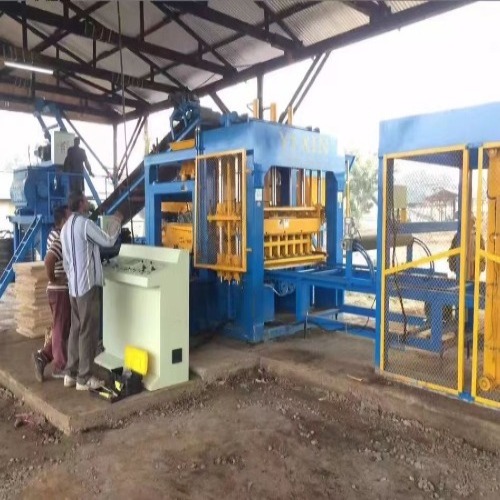
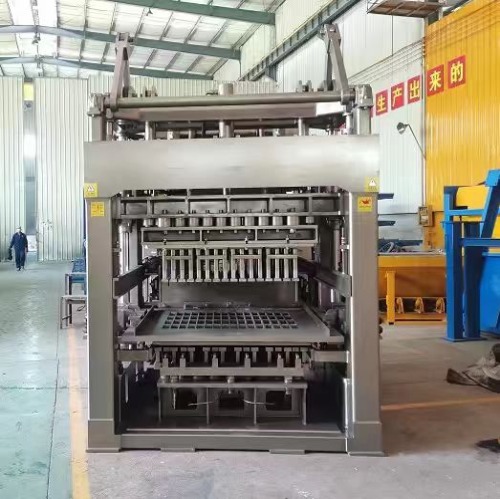
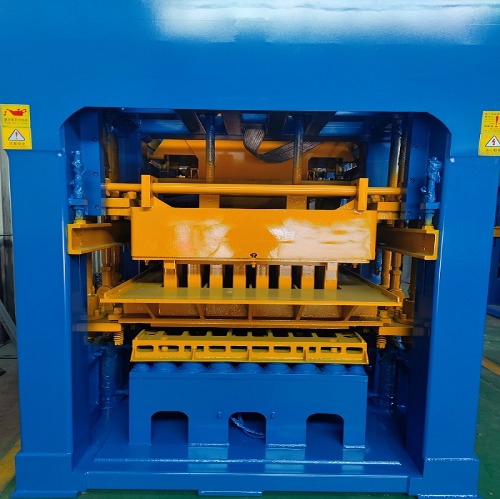
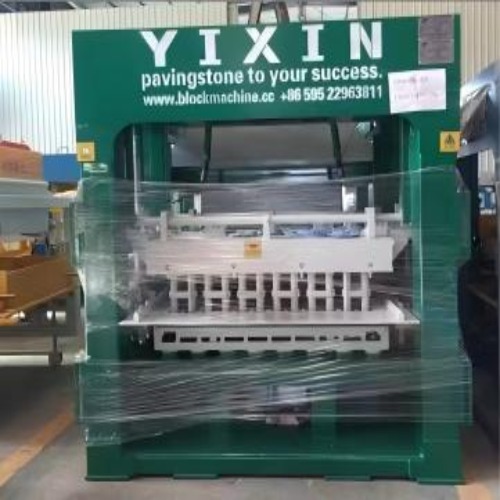
As the core equipment of a brick-making production line, the operating status of brick making machines directly affects product quality, production efficiency, and enterprise profits. In actual production, equipment failures often occur unexpectedly, while many problems are foreshadowed. This article, combining common failure types and daily maintenance experience, compiles a practical repair and parts management plan for on-site operators and managers.

I. Common Failure Types and Simple Troubleshooting Methods

1. Sensor Failure

Sensors are the "eyes" of the brick making machine's automatic control system. When equipment malfunctions or a workstation becomes unresponsive, the first thing to suspect is whether the sensor is working properly. The troubleshooting method is very simple: check the human-machine interface of the control box, enter the input/output monitoring screen, and observe whether the signal status of the corresponding sensor is normal. If the sensor signal is abnormal, check whether the wiring is loose, whether the sensor head is obstructed by foreign objects, or whether it is damaged. This usually allows for quick location of the problem.

2. Product Parameter Deviation and Uncontrolled Base Material Moisture

This is one of the most common problems in production. When brick blanks exhibit dimensional deviations, insufficient strength, or appearance defects, it's often not a problem with the equipment itself, but rather a change in formula parameters or raw material moisture content. In such cases, it's recommended to immediately record a clear video of the brick-making process and send it to the equipment manufacturer. Professional technicians can remotely observe the brick's condition to determine whether the issue lies in the ingredient ratio or equipment parameter drift, and then make targeted adjustments. In most cases, remote guidance from the manufacturer can resolve the problem, eliminating the need for on-site repairs and significantly reducing downtime.

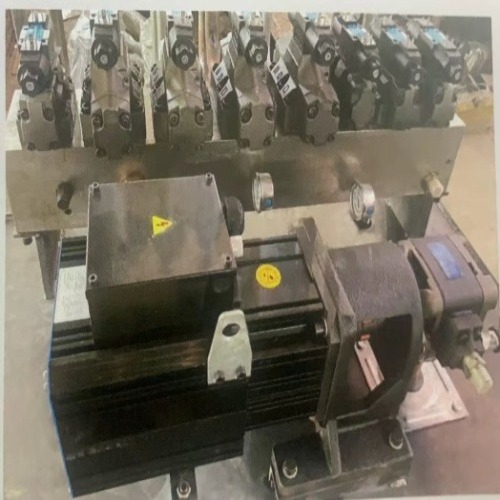
3. Hydraulic System Abnormalities

The hydraulic system is the core power source of the brick machine. When the equipment experiences insufficient pressure, sluggish operation, or oil leaks, first check if the hydraulic oil level is normal, if the oil temperature is too high, and if the cooling system is functioning. Before starting the machine each day, turn on the pressure gauge to confirm that the working pressure meets the set value. If the hydraulic oil is found to be deteriorated or the oil level is low, replenish or replace it with the same type of hydraulic oil promptly. Never mix different brands or grades of oil.


II. Daily Maintenance System


Establishing a regular maintenance system is the most effective way to extend equipment life and prevent sudden malfunctions.

Weekly Essentials – Lubrication and Maintenance

The guide sleeve is a precision-fitting part of the brick machine's up-and-down movement. Lubricate it at least once a week to ensure smooth movement and reduce wear. Also, check the cleanliness and lubrication of all moving parts, including bearings, guide columns, and gear racks.

Every 2-3 Months – Vibration Box Oil Change

The vibration box is the heart of the brick machine, and the quality of its lubricating oil directly affects vibration efficiency and equipment lifespan. Under normal circumstances, the lubricating oil in the vibration box should be completely changed every 2 to 3 months. Lubricating oil will be consumed normally during daily use and must be replenished promptly; the oil level should be maintained between 30 and 40 mm. Also, check that the hydraulic motor rotation direction is correct, confirming it according to the equipment markings. Incorrect direction can cause serious damage to the vibration system.

Belt and Bolt Inspection

The drive belts on the entire machine should be inspected frequently. Adjust or replace them promptly if wear, slippage, or loosening is found to prevent power transmission failure due to belt malfunction. In addition, check the tightness of all bolts before each start-up, especially the connecting bolts of high-frequency vibration parts such as the vibration box and pressure head; loose bolts can cause a chain reaction of damage.


III. Precautions for Machine Operation

Standardized operation is the first line of defense against malfunctions. The following are key points to follow during daily operation:

1. Before starting the machine, check that the power supply is normal, all bolts are tightened, and all lubrication points are lubricated.

2. Check the hydraulic oil level, oil temperature, and the operation of the cooling system.

3. At the start of work, turn on the pressure gauge to check if the working pressure meets the standard.

4. Check that the vibrator oil level is between 30-40mm and confirm that the hydraulic motor rotation direction is consistent with the marked direction.

5. Keep all moving parts of the machine clean and lubricated, paying particular attention to bearings, guide columns, and gear racks.

6. The belt must be checked frequently. If there is wear, slippage, or looseness, it should be replaced or adjusted promptly.

7. During production, pay attention to the material adhering to the pressure plate. If necessary, stop the machine to clean it to avoid affecting the quality of the brick blanks.

8. Strictly follow the equipment requirements for lubrication. Replenish the lubricating oil in the vibrator promptly when it is consumed.

9. When the equipment jams, first turn off the oil pump before troubleshooting. Never force operation.

10. After each day's work, clean and dry the machine, apply lubricating oil, and never wash the equipment with water.


IV. Fault Diagnosis and Remote Support

Modern brick machine control systems are equipped with automatic fault display functions. During production, please enter the output display screen. When a fault occurs, this screen will display a prompt box indicating the location of the fault and troubleshooting methods. Users can try to troubleshoot themselves according to the prompts. If the problem persists, contact the equipment manufacturer for remote technical support. Never force the machine to start when the fault is unclear, as this may cause a small problem to escalate into a major malfunction.


V. List of Consumable Parts and Stockpiling Recommendations

Brick machines have many types of consumable parts. Maintaining a reasonable inventory of spare parts in advance can reduce downtime from "several days" to "several hours" in the event of a fault. The following is a summary of the main consumable parts for each system:

Main Unit: Pressure Head Bolt, Spring Mould 20, Mold Cabinet Screw.

Vibration components: Rubber pads, rib oil seals.

Material cart components: Material cart axle, swing arm, stirring fork, stirring pin, material cart bearings, wire brush.

Hydraulic station components: Single proportional valve, directional valve, cylinder oil seals.

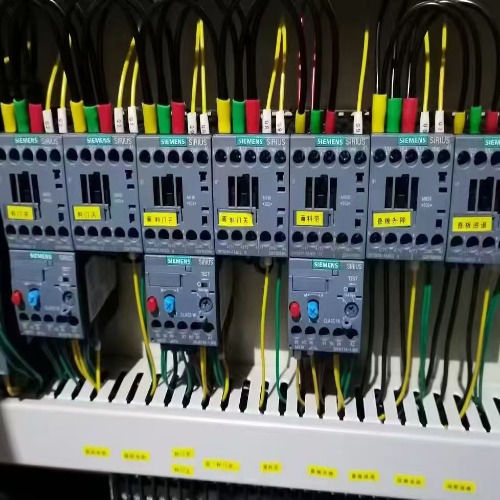
Electrical control components: Small relays, sensors, photoelectric sensors, illuminated buttons, emergency stop switches.

Spare parts recommendations: Keep 2-3 sets of electrical control components such as sensors, photoelectric sensors, small relays, and emergency stop switches readily available, as their failure rate is high and damage renders the equipment inoperable. It is recommended to keep 2 sets each of sealing components such as cylinder oil seals, rubber pads, and rib oil seals, as aging and leaks will severely affect equipment performance. Keep 2-3 sets each of easily worn mechanical parts such as pressure head bolts, material cart axles, and stirring forks; these are inexpensive but require frequent replacements upon damage.

  •  
  •  
  •  


VI.Conclusion

The maintenance and management of brick-making equipment ultimately boils down to three things: prevention first, timely inspection, and readily available spare parts. Sensor malfunctions and parameter deviations are often the first signs of system alarms or product quality abnormalities, requiring operators to possess basic judgment skills. Weekly oiling, quarterly oil changes, and daily cleaning—these seemingly tedious daily tasks are precisely the most effective ways to prevent sudden downtime.

For brick-making companies, instead of anxiously waiting for repairs after equipment failure, it's better to spend an extra ten minutes in daily management checking and stocking up on a few extra critical spare parts. A well-maintained brick machine is not only a guarantee of production efficiency but also the cornerstone of stable product quality. 

Check out our website for more information: https://www.yxbrickequipment.com

Cost and Technology Analysis of Brick Making Machines Comparability of New and Used Equipment

In building materials production, brick making machines are core equipment. Investors often face a choice: purchase expensive but technologically advanced new machines, or choose cheaper but riskier used equipment? This article will analyze this from both cost and technology perspectives.


I. Explicit and Implicit Cost Differences

From an explicit cost perspective, the entry barrier for new brick making machines is much higher than for used equipment. Small semi-automatic brick making machines cost approximately 10,000-30,000 yuan, while fully automatic, non-fired brick making machines with PLC intelligent control cost between 300,000 and 1,500,000 yuan. Used equipment, on the other hand, can be as low as tens of thousands of yuan, making it very attractive to small and medium-sized investors with limited funds.

However, implicit costs are often overlooked. New equipment has optimized energy consumption; for example, brick making machines using servo vibration systems can reduce energy consumption by more than 30%. Used equipment often has higher energy consumption due to aging hydraulic systems and seal failures, and the frequency of maintenance and parts replacement costs may offset the initial purchase price difference. Furthermore, advanced new brick-making machines can save 15% on labor costs by reducing manual intervention, resulting in significant long-term labor savings.


II. Technological Gap: Production Efficiency and Product Quality

Modern new brick-making machines have achieved a technological leap over older equipment. They employ electro-hydraulic integration technology and a high-precision servo system, coupled with a German Siemens PLC and touchscreen, enabling human-machine interaction, random signal analysis, and fault diagnosis. The intelligent operating system not only reduces troubleshooting time by 30%, but also ensures uniform product density and strength through precise control. In contrast, used brick-making machines are mostly mechanical or early hydraulic types, with outdated technology leading to low production efficiency, high scrap rates, and difficulty in producing high-standard building materials.


III. Adaptability and Risks: Technical Hidden Dangers of Used Equipment

While branded used brick-making machines in good condition may still have some value, many used machines on the market have complex origins, and their echnical parameters are outdated compared to current environmental and production capacity standards. Brick-making machines, as heavy equipment, can withstand nominal pressures ranging from 1600KN to 25000KN. Core components (such as the main shaft and crankshaft) are susceptible to metal fatigue due to long-term wear, resulting in extremely high maintenance costs. Brand-new equipment, on the other hand, not only comes with a warranty but also utilizes new sealing and circulating lubrication technologies to extend its lifespan.

  •  
  •  
  • .


Conclusion

Choosing a brand-new brick-making machine essentially involves exchanging a higher initial investment for long-term, stable, high-yield, and low-consumption technological benefits. For companies prioritizing capacity, quality, and long-term returns, this is a more competitive option. Used brick-making machines are more suitable for small workshops with extremely tight budgets, conducting trial production, but require accepting higher failure rates and the hidden operating costs resulting from outdated technology. Investment decisions should be based on a comprehensive consideration of capacity requirements, technological barriers to entry, and total life-cycle costs.Want to know more? Click here: https://www.yxbrickequipment.com

Fully Automatic vs. Semi-Automatic Brick Machines 5 Key Comparisons to Optimize Your Budget

Quick

Answer Fully automatic brick machines automate the entire production process—from material feeding to finished block stacking—with minimal human intervention, typically producing 10,000+ blocks per shift with 3-5 workers for supervision. Semi-automatic machines require manual intervention for material handling and brick removal, producing 2,000–8,000 blocks per shift with 8-12 workers. While fully automatic systems cost $150,000–$450,000 vs. $30,000–$80,000 for semi-automatic units, they offer 92% lower defect rates, 37% lower operational costs, and faster payback periods (8-12 months vs. 12-18 months) for high-volume operations . The right choice depends on your production volume, labor availability, budget, and market demand.


Key Takeaways


Factor Semi-Automatic Fully automatic
Investment $30,000–$80,000 $150,000–$450,000
daily output 2,000–8,000 blocks 10,000+ blocks
Labor Required 8–12 workers 3–5 workers
Defect Rate 2–3% <1%
Power per 1,000 Bricks 12 kWh 7.8 kWh
Payback Period 12–18 months 8–12 months
Best For Medium operations, limited budget Large-scale, high-volume production


5 Key Comparisons

1. Production Capacity and Output

Semi-automatic machines typically produce between 2,000 and 8,000 bricks per day, depending on operator efficiency and the number of molds available . Cycle times range from 25–40 seconds, with manual intervention required for material feeding and finished brick removal . Fully automatic machines deliver significantly higher output, ranging from 10,000 to over 100,000 bricks per day . With cycle times as low as 15–25 seconds , these systems maintain continuous, high-speed operation with minimal interruption. The fully automated process—controlled by a PLC (Programmable Logic Controller)—ensures every step from batching to stacking runs without manual stops . Verdict: For high-volume commercial projects or large-scale manufacturing, fully automatic machines are the clear winner. For smaller operations or projects with moderate demand, semi-automatic machines provide adequate capacity at a lower cost.


2. Labor Requirements and Costs

The labor difference between the two systems is substantial. Semi-automatic machines typically require 8–12 workers for material handling, feeding, and brick removal . These machines rely on manual intervention for key processes, making labor costs a significant ongoing expense. Fully automatic machines operate with just 3–5 workers for supervision and maintenance . The automation of feeding, mixing, molding, and stacking dramatically reduces human involvement. Additionally, semi-automatic curing is done manually in open spaces, while fully automatic systems integrate automated handling systems including lowerators, elevators, and cubers . Verdict: If labor is scarce or expensive in your region, the labor savings of a fully automatic system will quickly offset the higher initial investment. For markets with abundant, low-cost labor, semi-automatic machines may be more cost-effective.


3. Product Quality and Consistency

Fully automatic machines deliver superior consistency with defect rates below 1% . The PLC-controlled process ensures uniform compaction, precise material dosing, and consistent vibration across every cycle. Advanced sensors and cameras in fully automated systems enable real-time quality monitoring and adjustments . Semi-automatic machines, while producing good quality blocks, have higher defect rates of 2–3% due to human error in material handling, feeding, and process control . Consistency depends significantly on operator skill and attention. Industry data shows fully automatic brick making lines can reduce product defect rates by 92% compared to less automated alternatives . Verdict: For projects requiring strict quality standards, architectural-grade products, or certification compliance (e.g., ASTM C62), fully automatic systems are the superior choice .


4. Total Cost of Ownership (TCO)

Fully automatic systems reduce overall operational costs by an average of 37% , and the payback period is shorter (8–12 months) despite higher upfront costs . Energy efficiency is also notable—fully automatic systems consume 7.8 kWh per 1,000 bricks, compared to 12 kWh for semi-automatic machines . Verdict: For long-term, high-volume operations, fully automatic machines offer better ROI. Semi-automatic machines are more suitable for startups or businesses with capital constraints.


5. Flexibility and Scalability

Semi-automatic machines offer greater flexibility for custom production. Manual intervention allows easier adjustment for different brick types, sizes, and shapes without complex reprogramming . This makes them suitable for operations producing multiple product varieties in smaller batches. Fully automatic machines excel in scalability and product consistency. While they also support quick mold changes and produce diverse block types—hollow blocks, solid bricks, pavers, curbstones, and interlocking blocks—the transition between products is managed through the PLC system . Many systems offer modular designs that allow for easy upgrades or expansion as production needs grow . Verdict: Choose semi-automatic for high product variety with moderate volumes. Choose fully automatic for scalable production with consistent quality.


  •  
  •  
  •  


FAQ

1. What is the main difference between semi-automatic and fully automatic brick machines?

The key difference lies in the level of human intervention. Semi-automatic machines require manual labor for material feeding, brick removal, and curing, while fully automatic machines automate the entire process from feeding to stacking using PLC control, requiring only supervision .

2. Which machine is more cost-effective for a startup?

For startups with limited capital, semi-automatic machines ($30,000–$80,000) are more accessible and provide a lower-risk entry point. However, if you project rapid growth, investing in a fully automatic system may be more economical long-term .

3. How long does it take to recover the investment?

Semi-automatic: 12–18 months Fully automatic: 8–12 months Fully automatic machines recover faster due to lower labor costs, higher output, and reduced material waste.

4. What production capacity do I need?

Assess your market demand and calculate required daily output. A good rule of thumb is to choose a machine with 20–30% capacity above your average daily demand to accommodate fluctuations and future growth .

5. Do fully automatic machines produce better quality bricks?

Yes. Fully automatic systems produce more uniform density and consistent quality with defect rates below 1%, compared to 2–3% for semi-automatic machines. The PLC control ensures precise material dosing and compaction every cycle .

6. Can semi-automatic machines be upgraded to fully automatic?

Some semi-automatic machines offer modular upgrades allowing gradual automation additions. However, a complete retrofit is often impractical; investing in a fully automatic system from the start is usually more cost-effective for large-scale operations .


If you want to get more information about our products, you can click www.yxbrickequipment.com


How to Choose the Right Fully Automatic Brick Making Machine for Beginners

I am a professional specializing in brick making machine supply and technical services. Over the years, I have witnessed countless clients go from "wanting to enter the industry" to "achieving success." In this process, I have deeply realized that choosing the right first brick making machine is far more important than choosing an expensive one.

Today, I want to talk from your perspective about the most realistic needs of beginners, the most common pitfalls they encounter, and how to scientifically choose a fully automatic brick making machine that suits their needs.


I. Expert Advice for Beginners:

1. Research the local brick production market, attend relevant exhibitions or visit industry peers to determine your production direction and needs.

2. Study local environmental policies, choose a suitable production base, and consider land use and raw material issues to ensure compliance with production policies.

3. Choose a reliable machinery manufacturer with professional technical support. Inspect their workshops and machine production facilities. If convenient, inquire about customer reviews of their brand's machines.

4. After having a clear plan for your machine purchase, estimate budgets for product purchases, maintenance, energy consumption, material preparation, and personnel training costs to calculate subsequent cash flow and profit recovery.


II. Core Needs of Different Customer Groups

New Entrepreneurs: Limited budget, aiming to control initial investment. Prioritize cost-effective, low-barrier-to-entry models to avoid blindly incurring high prices.

Easy to operate, with automation levels suitable for beginners, requiring no complex technical expertise for quick start-up and production. Highly adaptable to raw materials, it can flexibly handle common solid waste raw materials such as fly ash, slag, and stone powder, reducing raw material procurement costs.

Low maintenance costs, low equipment failure rate, and timely after-sales support prevent prolonged production stoppages and losses due to lack of operational knowledge.

Compliance compliant, meeting local environmental production requirements and successfully passing relevant production qualification audits.

For construction projects with clear production capacity needs: Production capacity matches project schedules; the equipment's stable output precisely matches the brick supply rhythm of the project, avoiding supply disruptions that slow down the construction period.

Highly adaptable to brick types, allowing for quick mold changes and simultaneous production of various prefabricated components required for projects, such as permeable bricks, curb stones, and slope protection bricks.

Fully automated process, it can integrate with existing production lines to achieve closed-loop production from material preparation to stacking, reducing on-site manpower.

High long-term operational stability, supporting 24-hour continuous operation, adaptable to the high-intensity production demands of projects with tight deadlines.

Controllable energy consumption, controlling the energy consumption of producing a single brick, reducing the overall building material costs of the project.


III. Common Problems and Misconceptions Faced by Beginners

Misconception 1: "The bigger and more comprehensive, the better"

Many customers believe that buying a "multi-purpose machine" can handle any type of brick, solving all problems at once. However, the reality is: the more complex the equipment, the higher the operational threshold, the more potential for failure, and the greater the maintenance costs. For beginners, I recommend choosing a model with appropriate functions, strong focus, and ease of operation. Master one product category first, then gradually expand the product line.

Misconception 2: "Only looking at the price, not the overall cost"

A lower equipment price might be 100,000 less, but if it consumes 50 kWh more electricity per day, requires two more mold replacements per year, and needs two more workers per shift, the overall cost will be higher over the year. When purchasing equipment, you should calculate the "overall cost per brick," not the "base price of the equipment."

Myth 3: "Ignoring Site and Foundation Conditions"

Fully automatic brick machines require:

Sufficient factory space (including raw material area, production area, curing area, and finished product storage area)

A stable three-phase power supply and sufficient load capacity

A sturdy equipment foundation (some large machines require reinforced concrete foundations).

Some customers have purchased equipment and only discovered upon arrival that the factory height was insufficient for crane installation, or that the power supply capacity was inadequate and needed to be upgraded, not only increasing costs but also delaying production.

Myth 4: "Emphasis on Equipment, Neglect of Molds"

Molds are the heart of a brick machine. The same machine equipped with ordinary domestic molds versus imported alloy steel molds will produce bricks with significant differences in dimensional accuracy, surface smoothness, and demolding ease. Good molds may cost 2-3 times more than ordinary molds, but their lifespan is 5-8 times longer, resulting in a lower overall cost. New operators often try to save money on this, resulting in unstable brick dimensions, difficult demolding, and a high scrap rate, ultimately leading to losses. Myth 5: "I think I can make money immediately after buying the equipment." Brick making is a systematic project: raw material procurement → formula testing → production and molding → curing → packaging and stacking → sales and payment collection, with a cycle of at least 7-28 days (depending on the curing method). Newcomers need to prepare for a 1-3 month "break-in period," including equipment debugging, worker training, formula testing, and market development. Blindly pursuing "install today, produce bricks tomorrow, and make money the day after" is unrealistic.

  •  
  •  
  •  

--

IV. Conclusion: Choosing a brick machine is more than just choosing equipment.

As someone working in the brick machine supply industry, I want to tell every customer: you are not just choosing a machine, but a long-term partner. Equipment will age and break down, but a responsible supplier will be there for you when you need it.

Brick making is an industry that is both traditional and full of opportunities. With the continuous advancement of infrastructure construction, the deepening of beautiful rural construction, and the implementation of green building materials policies, the market demand for high-quality bricks will only continue to grow. If you are just entering this industry, please remember: take small steps, but take steady steps. Choosing the right starting point is more important than running fast.

If you're currently in the product selection phase, feel free to contact me with your product plans and market insights. A good piece of equipment deserves our help to start by understanding your true needs.If you want to get more information about our products,you can click https://www.yxbrickequipment.com

How to Set Up a Successful Block Production Line A Step-by-Step Guide


Key Takeaways

Building a block production line requires careful attention to several critical factors. Market demand assessment determines your target capacity—a plant is viable if it can sell at least 20 to 30 m³ per day . Site selection demands approximately 2 to 3 acres of industrial-zoned land with soil bearing capacity of at least 150 kN/m² and reliable access to 380V to 480V power and clean water . Equipment choice significantly impacts both capital investment and operating costs. Semi-automatic machines produce 2,000 to 8,000 blocks per day with 8 to 12 workers, while fully automatic machines can exceed 10,000 blocks per shift with only 3 to 5 workers . The automation level also affects product consistency—fully automatic PLC-controlled systems achieve defect rates below 1%, compared to 2 to 3% for semi-automatic operation . Operational excellence depends on disciplined practices: consistent moisture control, proper vibration tuning, preventive maintenance schedules, and thorough operator training. With proper management, block production lines can deliver net profit margins of 12 to 20%, recovering initial investment within 6 to 10 months .


Understanding the Production Line Anatomy

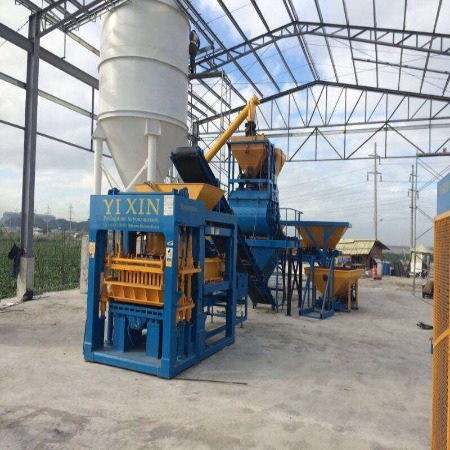
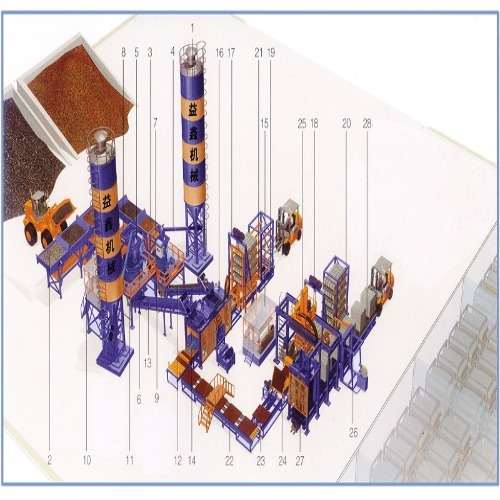
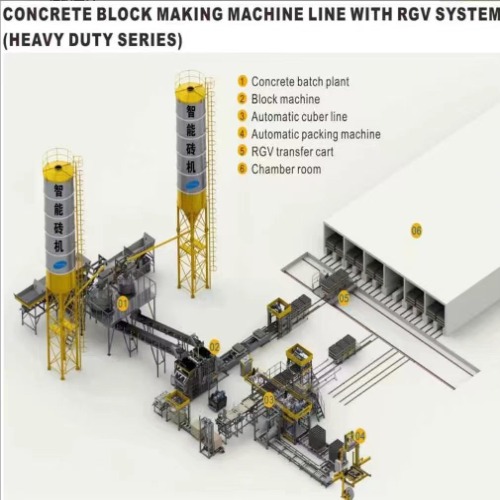
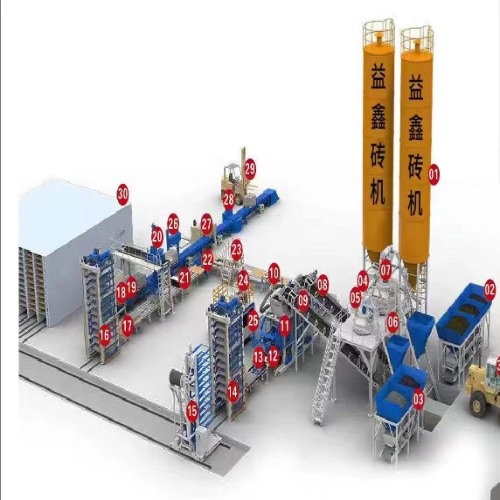
A concrete block production line is an integrated system of specialized equipment working in sequence. Understanding each component helps in making informed decisions about configuration and investment . Batching systems measure raw materials with precision, typically achieving ±1 kg accuracy. Modern batching plants feature 2 to 6 compartments with moisture sensors to account for material variations . Mixers blend concrete to consistent specifications. Twin-shaft mixers handle batch sizes from 1 to 4 m³ and are the standard choice for most block applications. Pan mixers are also recommended for semi-dry concrete used in block production . Block forming machines shape the concrete mixture into finished products. These machines combine hydraulic pressure and vibration to achieve optimal compaction. Advanced models feature PLC-controlled cycles with cycle times as low as 15 to 25 seconds . Stacking systems automatically arrange finished blocks onto pallets, reducing manual handling and protecting product integrity . Control systems orchestrate the entire process. A Programmable Logic Controller (PLC) with Human-Machine Interface (HMI) touchscreen allows operators to monitor production, adjust parameters, and store recipes for different products .


  •  
  •  
  •  


Phase 1: Pre-Planning and Site Assessment

The foundation of a successful block production line is rigorous planning. Before investing in equipment, you need to confirm market demand and site suitability. Conduct market analysis by researching local construction activity and competitor pricing. A typical plant requires demand of at least 20 to 30 m³ per day to justify investment. Identify which products are most sought after—hollow blocks, solid bricks, pavers, or curbstones—and analyze competitor pricing, which typically ranges from $70 to $160 per m³ . Select the site with careful consideration of long-term requirements. You need approximately 2 to 3 acres of industrial-zoned land with room for expansion. The soil should support at least 150 kN/m² bearing capacity for foundations. Confirm access to reliable 380V to 480V power, clean water supply, and good road access for raw material delivery and finished product transport . Secure permits early in the process. Apply for zoning approvals, environmental permits, and operating licenses. Factor in environmental impact assessments, which can take significant time to process .


Phase 2: Equipment Selection and Plant Design

With the site secured, focus on designing the layout and selecting equipment that matches your production targets. Design the plant layout to minimize material handling distances. Position aggregate batching machine plant where loaders can easily access them. Place cement silos close to weighing systems and dedicate space for truck loading with proper queue management. Route conveyors to keep material travel distances short . Select core equipment based on your production goals. Essential components include a batching machine with 2 to 6 compartments and moisture sensors, a mixer (typically twin-shaft for standard block production), a block forming machine with hydraulic system, stacking equipment, and a PLC-based control system . Consider automation level carefully. Semi-automatic machines suit startups and lower-volume operations with adequate labor availability. Fully automatic machines are ideal for high-volume production where labor costs are significant and consistency is paramount .


Phase 3: Site Preparation and Foundation

Clear and level the land to within ±25 mm, removing vegetation and debris. Pour reinforced concrete foundations to a depth of 300 to 400 mm using minimum C25 grade concrete, embedding anchor bolts for heavy production machines. Allow at least seven days for curing before installation. Install utilities including three-phase 380V to 480V power, water filtration and storage, compressed air at 6 to 8 bar, and telecommunications for control system integration .


Phase 4: Equipment Installation

Erect structural components including aggregate bins, cement silos, and access platforms. Position bins with sensors and vibrators for consistent batching. Mount mechanical systems including belt conveyors, screw feeders, dust collection units, and the mixer with its hydraulic systems. Finally, integrate the PLC control system, placing cabinets in climate-controlled rooms and connecting all sensors and actuators .


Phase 5: Commissioning and Testing

Before mass production, conduct thorough inspections. Check electrical connections, hydraulic and pneumatic pressures, and safety interlocks. Run dry testing without raw materials to verify conveyor alignment and cycle smoothness. Calibrate weighing scales with certified weights and program mix recipes into the PLC control system .


Phase 6: Trial Production 


Produce small test batches using standard concrete mixes. Run slump tests and compressive strength tests to verify quality. Adjust water levels and mixing times as needed. Production should reach within 5% of design capacity with batching accuracy held within ±1% .


Phase 7: Training and Documentation

Provide comprehensive training for operators and maintenance staff covering automation systems, safety procedures, and preventive maintenance. Develop Standard Operating Procedures and maintenance schedules. Well-trained operators are essential for consistent quality and minimal downtime .


Phase 8: Compliance and Safety

Implement safety systems including personal protective equipment, lockout/tagout procedures, and environmental controls for dust suppression, wastewater recycling, and noise reduction. Compliance with environmental and safety regulations is essential for long-term operation .


Phase 9: Commercial Launch

Final inspections, certifications, and full-scale production launch. Begin tracking key performance indicators: output per shift, defect rates, energy consumption, and material waste .


FAQ

1.How long does it take to set up a block production line?

Typically 12 to 24 months, depending on project complexity, permitting, and automation level .

2.How many workers do I need?

Manual lines need 10 to 12 workers; semi-automatic lines need 8 to 10; fully automatic lines need only 3 to 5 .

3.How quickly can I recover the investment?

Fully automatic plants typically recover in 6 to 10 months through labor savings and higher output .

4.What equipment is essential?

A complete line includes batching machine, mixer, block forming machine, stacking system, and PLC control .

5.What mixer type is best?

Pan mixers are recommended for semi-dry concrete. Twin-shaft mixers are also suitable for most block applications .

Interlocking Block Machines for Fast-Track Construction Projects

Quick Answer

Interlocking block machines are specialized equipment that produce mortar-free building blocks using hydraulic pressure. These blocks lock together mechanically, eliminating the need for skilled masonry labor and reducing wall construction time by up to six times compared to conventional methods. The machines compress a mixture of locally available soil and a small percentage of cement (typically 5-8%) into high-density interlocking blocks that meet certified structural standards . For fast-track projects, interlocking blocks enable construction speeds of 2-3 days for a standard 40m² house, with material cost reductions of up to 40%. This combination of speed, cost efficiency, and reduced labor requirements makes interlocking block technology particularly valuable for rapid housing delivery, commercial developments, and infrastructure projects where time-to-completion is critical.


Understanding the Technology

Interlocking block machines operate on a straightforward principle: hydraulic pressure compresses a mixture of soil, cement, and water into precision-engineered blocks that fit together without mortar in the vertical joints . The blocks are designed with specific interlocking features—ridges and grooves, tongue-and-groove systems, or puzzle-piece connections—that create mechanical bonds between units.

The production process begins with material preparation: locally available soil is screened to remove debris, mixed with a small percentage of cement (typically 5-8%), and moistened to achieve the correct consistency. This mixture is then fed into the machine, where hydraulic pressure ranging from 10 to 30 tons compresses the material into dense, high-strength blocks. Depending on the machine model, output ranges from 700 to over 6,000 blocks per day.

The key engineering principle behind interlocking blocks is their ability to distribute loads across the entire wall surface rather than through discrete mortar joints. This results in walls that are structurally sound without requiring the skill-intensive process of traditional masonry. The blocks meet certified structural standards—Hydraform blocks, for example, carry Agrement Certificate 96/237 issued by the CSIR in South Africa.


  •  
  •  
  •  


Why Interlocking Technology Enables Fast-Track Construction

Elimination of Mortar: The Speed Multiplier

The defining characteristic of interlocking blocks is the elimination of mortar in vertical joints. This single feature accelerates construction by removing the most time-consuming aspect of traditional brickwork. A mason laying conventional bricks must apply mortar to each brick, level it, and ensure proper alignment before moving to the next. With interlocking blocks, each unit aligns automatically with the previous one, significantly reducing the skill level required and the time per unit .


Reduced Labor Requirements

Because interlocking blocks require no skilled masonry work, construction teams can be assembled more quickly and trained more easily. Hydraform's 5-day Training Academy, for example, teaches operators not only machine operation and block production but also construction techniques . This rapid skills transfer means less reliance on scarce skilled labor—a bottleneck that frequently delays conventional projects .


On-Site Production Eliminates Logistics Delays

Fast-track projects are often derailed by supply chain issues: materials arrive late, orders are incomplete, or quality varies between batches. On-site block production eliminates many of these risks. Mobile machines can be transported to project locations and set up to produce blocks on demand . This eliminates transport costs and breakage while giving contractors full control over block quality and supply continuity.


Applications in Fast-Track Construction

Residential Housing Estates

For developers building 50+ units, the cumulative savings on mortar, labor, and time create significant cost advantages. With machines producing 3,500+ blocks per day, a single machine can supply enough blocks for a standard 40m² house approximately every 2-3 days . Over a 12-month period, this translates to hundreds of homes completed .


Commercial and Institutional Buildings

Schools, clinics, community centers, and commercial premises have all been constructed using interlocking blocks . The mortar-free construction system works across single and multi-storey applications when designed by a qualified structural engineer . Infrastructure Development Interlocking block machines are making significant impacts on infrastructure development—roads, bridges, boundary walls, and retaining walls can be constructed using interlocking blocks . The cost savings and efficiency make them a viable option for various construction endeavors .


FAQ

1. How much faster is construction with interlocking blocks?

Interlocking blocks eliminate mortar in vertical joints, allowing wall construction to proceed up to six times faster than conventional brickwork. For a standard 40m² house using a machine producing 3,500 blocks/day, walls can be completed in approximately 2-3 days .

2. Are interlocking blocks as strong as traditional building materials?

Yes. Certified interlocking blocks meet structural building standards and are approved for load-bearing construction. They have been used in both single-storey and multi-storey applications .

3. Can these machines be used on remote project sites?

Yes. Mobile machines like the M7M1 SUPER are diesel-powered, require no electricity, and can be towed between sites. They are designed for remote and off-grid locations .

4. What training is required to operate an interlocking block machine?

Most machines are user-friendly and require minimal training. Manufacturers typically provide comprehensive instructions, on-site commissioning support, and operator training programs .

5. Are interlocking blocks more affordable than traditional materials?

Yes. Material costs can be reduced by up to 40% due to less mortar, less plaster, and blocks made from local soil and cement rather than imported aggregates. Labor savings from faster construction add further cost reductions .

6. Are interlocking blocks suitable for multi-storey buildings?

Yes. When combined with appropriate reinforcing and ring beams, interlocking blocks are suitable for multi-storey applications. All multi-storey designs should be reviewed by a qualified structural engineer in accordance with local building codes .

7. Is specialized training required to operate these machines?

While familiarity with the equipment is beneficial, many machines are user-friendly. Manufacturers provide comprehensive instructions, commissioning support, and operator training to ensure effective utilization .